


The Importance of Bhasma in Hindu Rituals and Spiritual Practices
Bhasma, often referred to as sacred ash, holds a highly revered place in Hinduism. It is more than just a ritualistic material—it is a symbol of purity, devotion, and spiritual awakening. Derived primarily from burnt dried cow dung, wood, or medicinal herbs, Bhasma carries both spiritual and symbolic significance.
1. Spiritual Purity and Protection
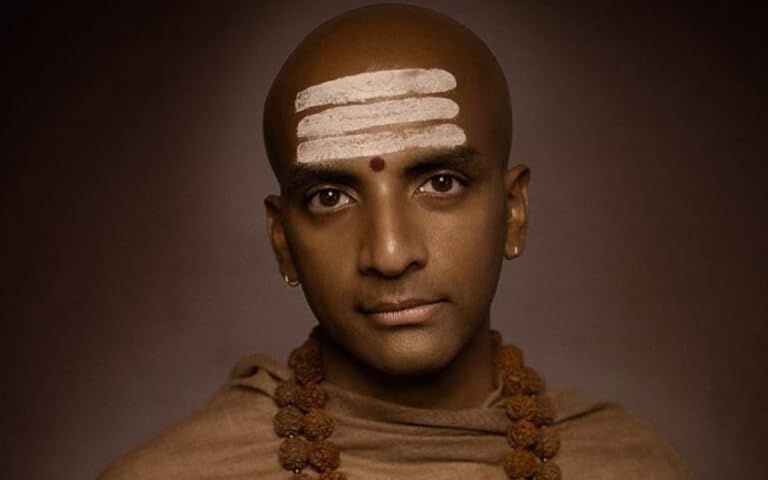
Bhasma is considered sacred and purifying. When applied on the body, especially on the forehead in the form of Tripundra (three horizontal lines), it symbolizes the destruction of ego and impurities. Devotees believe that Bhasma protects against negative energies, evil forces, and misfortunes.
2. Symbol of Devotion and Surrender
Applying Bhasma signifies complete surrender to Lord Shiva, as it is most closely associated with him. The ash reminds devotees that life is transient, and worldly attachments are temporary. This reinforces humility, devotion, and focus on spiritual goals.
3. Reminder of Mortality and Impermanence
Bhasma represents the concept of “from dust we come and to dust we return.” It serves as a constant reminder of human mortality, encouraging individuals to lead a righteous and purposeful life. By embracing this understanding, devotees cultivate detachment from material desires and ego.
4. Health Benefits in Ayurveda
Beyond its spiritual significance, Bhasma has been mentioned in Ayurveda for its medicinal properties. Traditional texts suggest that certain Bhasmas, prepared under strict guidelines, can help balance doshas, improve skin, and have therapeutic effects when used in proper rituals.
5. Essential in Havan and Pujan
Bhasma is widely used in Havans, Rudrabhishek, and other Pujan ceremonies. Its presence is believed to sanctify the environment, purify the offerings, and enhance the spiritual energy of the ritual. Applying Bhasma during Pujan also signifies inner cleansing and readiness to receive divine blessings.
6. Encourages Mindfulness and Discipline
The daily ritual of applying Bhasma fosters mindfulness. Devotees perform it with concentration and devotion, reinforcing self-discipline and spiritual awareness. It is not merely a routine but a meditative practice that aligns mind, body, and soul.
Conclusion
Bhasma is far more than a ritualistic accessory—it is a powerful symbol of spirituality, purity, and devotion. It teaches life’s essential truths: impermanence, humility, and surrender to the divine. For devotees of Lord Shiva and followers of Hindu rituals, Bhasma remains an indispensable element in spiritual life, connecting the physical and metaphysical worlds.
Leave a Reply